Wisdom Bank - The Dog in the Room: Why Some People Love Animals — and Others Don’t
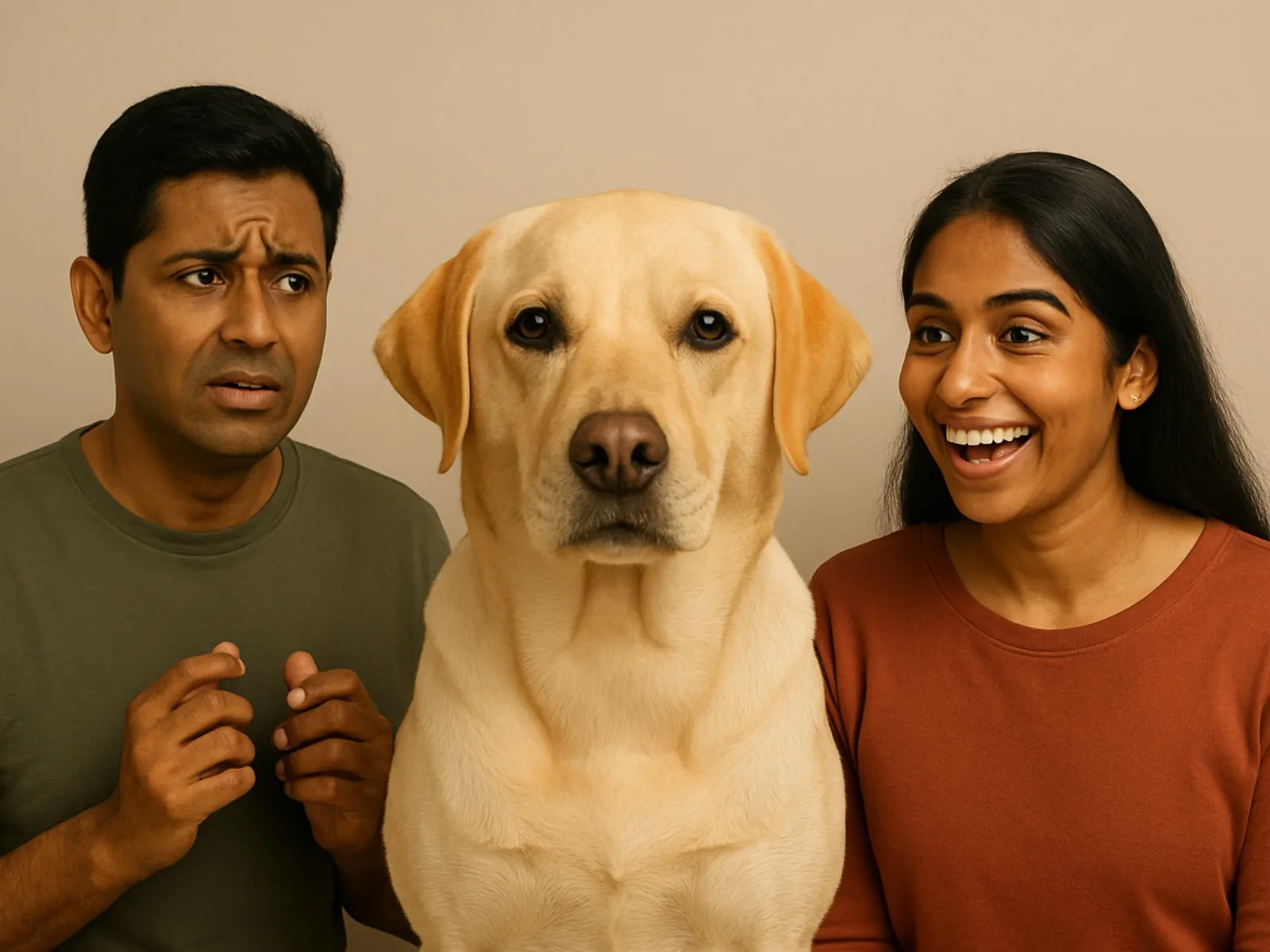
“Our relationship with animals doesn’t reveal whether we’re capable of love—it reveals what love cost us to begin with.”
Some people treat pets like family. Others feel… nothing. This isn’t just about animals — it’s about how we learned to survive love. And what that says about us.
The Distance
When Sara met her boyfriend’s dog for the first time, she braced herself. Tail wagging. Eyes wide. Tongue out. It was cute, sure. But inside, she felt… nothing.
No urge to kneel. No warmth in her chest. Just a quiet voice: This thing is in my space.
She laughed politely, scratched behind its ears, and did what she always did in these moments—played along.
Three months later, she found herself fighting back tears in a restaurant. Why? Because the man she loved looked her in the eyes and said:
“If you can’t love my dog… I don’t think you’ll be able to love me.”
That line landed like a slap. But what if he wasn’t wrong?
Why Some People Just Don’t Feel Anything?
You’ve seen them.
They walk into a room with a dog in it and freeze. They smile. They're polite. But their hands don’t reach out. Their body stays stiff. They’re doing calculations, not cuddles.
To most people, it looks like coldness.
But here’s what’s happening inside:
A nervous system trying to stay in control.
Animals are unpredictable. They move fast. They demand affection. They ignore boundaries. And for some people — people who grew up needing control to feel safe — that’s threatening.
Ask yourself:
- Did they grow up in a house where emotions had to be managed?
- Where “don’t make a mess” wasn’t about the carpet — but about everything?
- Where love meant roles, not freedom?
Then you're not looking at someone who hates animals. You're looking at someone whose safety once depended on emotional predictability.
Why Others Love Animals Like Family?
You’ve seen these people too.
They talk to their dog in a baby voice. They call their cat their “soulmate.” They throw birthday parties for their birds.
To outsiders, it might feel over-the-top. Even performative.
But for them?
It’s the first time love hasn’t felt like a test.
Animals don’t play mind games. They don’t withhold affection. They don’t ghost you or talk behind your back. They just show up — every day.
To someone who’s been let down by people, that’s not emotional fluff. That’s emotional oxygen.
You might roll your eyes when someone FaceTimes their dog from holiday. But maybe that dog is the first thing that’s ever loved them without strings.
What If They’re Both Protecting the Same Thing?
Here’s the twist:
The person who avoids animals and the one who clings to them? They’re often responding to the same wound — just wearing different armour.
One learned to survive love by staying in control. The other learned to survive by staying close.
- One retreats to stay safe.
- The other reaches to feel seen.
Neither is wrong. They’re just trying to protect something vulnerable inside.
“Your relationship with animals isn’t about animals. It’s about how your body learned to feel safe in the world.”
Why It’s Never Just About the Dog?
This is why these differences cut so deep.
For the animal lover, rejection of their pet feels like rejection of them. That dog isn’t “just a dog.” It’s emotional proof. It’s a heart on display.
So when someone pulls away, it lands like:
“Your love is too much.”
For the non-lover, the presence of an animal feels like invasion. The fur. The noise. The chaos. It’s not about the animal — it’s about the loss of control.
So when someone says, “He goes where I go,” it lands like:
“Your boundaries don’t matter.”
This isn’t about opinions. It’s about what kind of love feels threatening — and which kind feels like home.
The Deeper Fear Behind All of It
Let’s go one layer deeper.
Some people avoid animals because they’re afraid of grief.
“If I get attached and it dies, what will that do to me?”
Others attach deeply to animals because they’re afraid of people.
“This is the only thing that’s ever loved me consistently.”
“Animals are emotional truth in a world full of performance. That’s why some people run toward them. That’s why others run away.”
With animals, you can’t fake it. You either earn trust, or you don’t. That kind of honesty? Healing to some. Terrifying to others.
The Moment It All Fell Apart
Back to Sara.
The relationship didn’t end that night at the restaurant. It ended two months later — in a smaller fight, about nothing at all.
He said she was emotionally unavailable. She said he was too sensitive. They both cried.
The dog lay curled up under the table — quiet witness to a failed translation of love.
Here’s what no one told them:
She wasn’t cold. He wasn’t clingy. They were just speaking two different dialects of safety.
And no one had taught them how to translate.
What Your Reaction to Animals Really Says About You?
So if you’re still reading, ask yourself:
- What did love feel like in your house growing up?
- Was it safe? Was it loud? Was it conditional?
- Did it come with warmth — or with rules?
Because this was never about cats. Or dogs. Or birds. It’s about how close you let things get — and what happens when they do.
“We are not divided by who we love — but by how we keep our hearts safe.”
And once you understand that?
You’ll stop asking why someone doesn’t love animals. And start wondering what that love would cost them.
And if you do love them — fiercely, unconditionally, maybe even too much? That’s not weakness. That’s your courage showing.
By Ugesh Sarcar