Wisdom Bank - Dr. P. V. Shetty: Thinking Big, Living Right
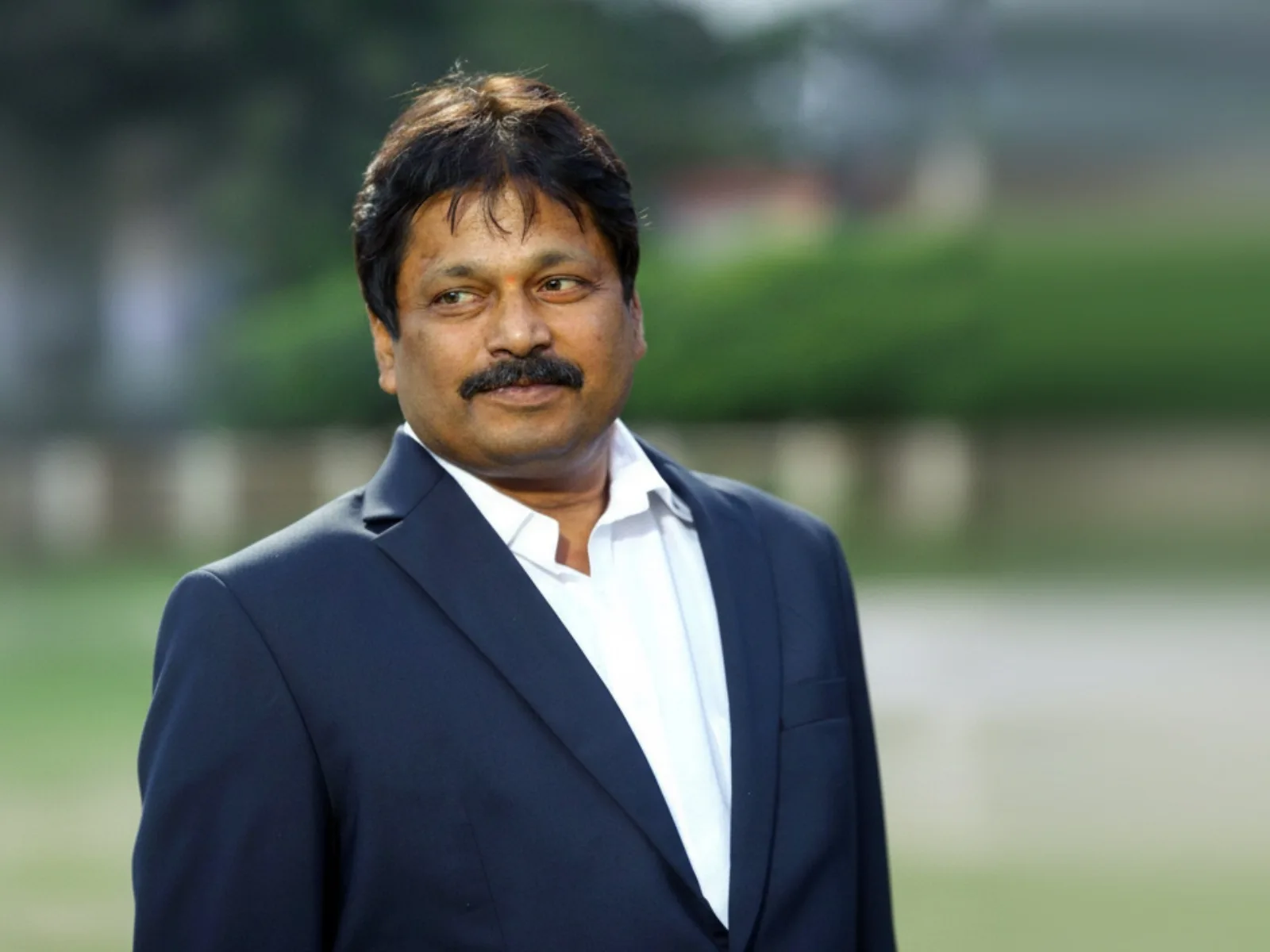
The ride cost twenty-six rupees.
Dr. P. V. Shetty handed over thirty.
It wasn’t charity. It wasn’t calculation. It was instinct — the quiet satisfaction of watching a stranger’s face soften into a smile. For him, that moment mattered. Not because of the money, but because happiness had moved from one person to another.
That impulse — to be of use, to leave someone a little lighter than before — has shaped far more of his life than most people realise.
Long before boardrooms and cricket stadiums. Long before committees, councils, and crowded rooms where decisions carry weight. Even before he understood what influence looked like, he understood what it felt like: seeing joy ripple outward because you chose to act.
Dr. Shetty often traces this instinct of generosity back to his father. For him, helping others wasn’t a virtue to talk about. It was simply how life was lived.
Years later, that same instinct would surface in unexpected places — in cricket grounds, classrooms, ticket queues, and conversations with children who dreamed too narrowly of only one future.
But none of that was planned.
Like most meaningful journeys, this one didn’t begin with ambition. It began with a small, uncomfortable question — and the decision not to look away from it.
And that decision would eventually touch thousands of lives, most of whom would never know his name.
Not yet.
The First Inheritance
Dr. P. V. Shetty didn’t learn generosity from books. He watched it being lived.
His father was the youngest of five brothers — and somehow the one who carried the most weight. When responsibilities needed taking on, he stepped forward. When children in the extended family needed education, support, or stability, he provided it. Weddings were arranged. Futures were secured. Quietly. Consistently.
There were no speeches about sacrifice. No moral framing. Help was simply what you did when you could.
That left an imprint.
Dr. Shetty speaks often about happiness — not his own, but the kind that shows up on someone else’s face. The auto driver who gets a little more than expected. The guest who receives a thoughtfully chosen memento. The child who feels seen.
These weren’t gestures designed to be noticed. They were habits. Small, repeatable acts that created lightness in everyday life.
Even today, his home carries traces of that orientation. He’s had hundreds of unique mementos made — from cricketing moments to spiritual symbols — not to display, but to give away. Visitors don’t leave empty-handed. Not because they must be impressed, but because he enjoys the moment when surprise turns into joy.
This was his first compass: be of use. Not dramatically. Not heroically. Just consistently.
That compass would matter — when success arrived, when power followed, and when choices began to affect not just individuals, but systems.
To add to that, however, there was another anchor quietly taking shape — one that helped him stay steady when life stopped being smooth.
And that anchor wasn’t ambition. It was stillness.
Faith Without Noise
As life grew fuller — busier, louder, more demanding — Dr. P. V. Shetty went in the opposite direction.
About eight to ten years ago, he began spending time with the Brahma Kumaris. Not out of crisis. Not because something was broken. But because he was searching for clarity — a way to stay aligned when the external world pulls you in too many directions.
What he found there wasn’t religion. It was perspective.
Meditation became routine. Early mornings. Stillness before movement. A chance to step back and examine his own actions before pointing outward. The philosophy was simple, but demanding: everything is karma. What you do returns to you. Not through reward or punishment, but through consequence.
Good doesn’t come from outside. Neither does bad.
When something goes wrong, the instinct is to blame — people, systems, circumstances. When something goes right, the instinct is to claim credit. The teachings challenged that reflex. They asked him to look inward instead.
Daily reflection became a form of self-correction. Each day, one flaw noticed. One habit adjusted. One “minus point” worked on. Not with guilt. With responsibility.
There was also an idea he found quietly disarming — that the aim of life is not success, but worthiness. To live in a way that makes you worthy of respect, not demanding it. To become someone whose conduct, over time, stands on its own.
He’s the first to admit he’s far from that ideal. But trying matters.
When challenges come — and they do — his response is rarely reactive. He prays. He meditates. He asks for strength, not outcomes. The calm that follows doesn’t remove difficulty, but it creates space around it.
That inner steadiness would matter.
But before he reached this stage, there was an incident that changed everything. A seed of opportunity that Dr. P. V. Shetty recognised. Especially when opportunity arrived from an unexpected place — not through invitation, but through frustration.
Because the turning point in his public life didn’t come from a boardroom or a recommendation.
It came from standing in a queue.
The Ticket Line
In 1996, Dr. P. V. Shetty went to buy tickets to watch a cricket match in Mumbai.
He did what everyone else did. He stood in line for a ticket.
And like many others that day, he didn’t get one.
The counter shut within minutes. Thirty-three thousand seats, gone. What bothered him wasn’t the inconvenience — it was the question it raised. How could so many tickets disappear so quickly?
He asked around. Someone explained the system. Not all tickets were sold directly. They were distributed through clubs — members of the Mumbai Cricket Association. Two hundred and ten clubs made up the association. Each club carried a vote. And with that, access.
That explanation could have ended the story.
Instead, it began another.
After the World Cup that year, he found a club that was willing to sell. He bought it — not to gain entry into stadiums, but to understand how the system worked. One club became two. Two became more. Over time, he held sixteen clubs — the highest number anyone had at that point.
With sixteen votes out of two hundred and ten, people began to notice.
But power wasn’t the goal. Access was.
At the time, Dr. Shetty lived in Borivali. Cricket infrastructure was scarce. Young players had to travel long distances just to play. So he did something practical. He developed facilities closer to home. Nets. Grounds. Coaching. Space where children could play seriously without having to travel across the city.
Because he had clubs, those children now had pathways. Matches came to them. Opportunities followed.
From those facilities, players began to emerge. Indian cricketers passed through. Local talent stayed local. Cricket stopped being something you chased across Mumbai — it became something you could grow into where you were.
Looking back, he calls it destiny. God’s grace.
But there’s another way to see it.
A man was denied a ticket. He asked why. And instead of complaining, he built access — not just for himself, but for thousands of others.
That habit of mind, to respond to exclusion by widening the door, would define the next chapter of his life.
Because soon, the question wasn’t about tickets anymore.
It was about children.
And what they were quietly being pushed to sacrifice in the name of ambition.
Children Over Trophies
By the time cricket became central to his life, Dr. P. V. Shetty had already made up his mind about one thing.
The game mattered. But the child mattered more.
Over the years, his academy would see between four to five hundred children at any given time. Over decades, that number would cross ten thousand. They came with pads and bats. With big dreams. With parents standing just outside the boundary — sometimes more anxious than the children themselves.
What unsettled him wasn’t ambition. It was obsession.
He had seen the pattern repeat itself too often. Young players shutting everything else out. Schools ignored. Books abandoned. Futures narrowed to a single, fragile outcome. And when cricket didn’t work out, as it doesn’t for most, there was nothing left to fall back on.
So he drew a line.
In his academy, studies came first.
Not as a slogan. As a rule.
Children were told — play cricket because you love the game. Play hard. Train seriously. But don’t confuse passion with tunnel vision. Education wasn’t a backup plan. It was preparation for life.
Many parents resisted this. Some were convinced their child would be the exception. A few even said it aloud, that they wanted their son to focus only on cricket for years at a stretch. One such father told him his child hadn’t been to school in two years and wouldn’t go for two more.
Dr. Shetty listened. Then asked them to leave.
Not out of anger. Out of clarity.
That wasn’t the kind of cricket he believed in.
He had watched too many talented players grow up without direction once the applause faded. Over ninety percent, by his estimate, ended up struggling — not because they lacked skill, but because they lacked grounding.
Cricket, he would tell the children, you play a few hours a day in a stadium. Before and after that you live in the real world.
Education wasn’t about earning money. It was about building the mind — learning how to think, speak, adapt, and stand on your own. He knew this firsthand. He had trained as a doctor. He might not practise medicine, but the way he reasoned, communicated, and carried himself came from that education.
That was the gift he wanted to pass on.
Among the thousands who passed through his academy were players who went on to the highest levels of the game. Dr. Shetty never advertised it. Never put up posters. Never used a name to build a brand. Destiny, he believed, doesn’t need marketing.
What mattered more were the thousands who didn’t become famous, but became steady. Educated. Capable of facing the world beyond the pitch.
Wherever he went — sports meets, cricket functions, conversations with parents — he repeated the same line. Sometimes just one sentence.
Only eleven players will ever play for India at a time. But countless kids will dream they will — and risk wasting their lives.
Play the game. Love it deeply. But don’t let it take everything else with it.
That insistence didn’t always make him popular. But it made him responsible.
And responsibility, he believed, was the real measure of success.
Because in the end, cricket was never the point.
The point was what kind of people walked off the field — long after the match was over.
Thinking Big, Living Right
There is one line Dr. P. V. Shetty returns to often — especially when he speaks to young people.
You will only go as far as your thinking takes you.
Thinking, he reminds them, costs nothing. No influence required. No money needed. Just honesty with yourself. Once thought expands, paths appear. Roads open. Life responds.
But thinking big, in his world, is never detached from living right.
He talks to children about time the way others talk about money. Waste money and you can earn it back. Waste time and it’s gone forever. Each day, he tells them, is a deposit — into who you become tomorrow. Do something good with it. Learn something. Build something. Don’t let it slip by unnoticed.
That philosophy runs quietly through everything he’s done.
From the father who raised an entire extended family, to the man who pays a little extra just to see a smile. From the doctor who never practised medicine, but carried its discipline into every decision. From the cricket administrator who entered the system not to control it, but to widen it.
He never chased positions. They arrived.
He never asked for influence. It accumulated.
When success came — as it eventually did, through cricket administration, through institutions, through recognition — he treated it the same way he treated everything else: as responsibility. Not entitlement.
Even awards, he shrugs off. Grace matters more, he says.
What stays with him are quieter metrics.
The child who didn’t drop out of school. The parent who paused before pushing too hard. The young player who learned that self-worth isn’t tied to selection. The thousands who passed through his academy and walked out steadier than they arrived.
This is not a story about cricket alone. Or business. Or administration.
It’s a story about orientation.
About choosing usefulness over visibility. Process over applause. Balance over obsession.
Dr. P. V. Shetty didn’t set out to shape systems. He responded to moments — a closed ticket counter, a misguided parent, a restless child — and chose to act instead of complain.
And over time, those choices added up.
Not to noise. But to impact.
In a world that urges you to rush, to specialise early, to bet everything on one narrow outcome, his life offers a quieter, sturdier counterpoint:
Think big. Live right. And leave people better than you found them.
That, he would say, is success.
Author's note
Dr. P. V. Shetty’s story shows what real credibility looks like in practice. When parents asked him to sacrifice a child’s education for a fragile shot at sporting success, he chose the uncomfortable path of saying no, even when it cost him approval, goodwill, and ease. When access was denied, he did not complain or adapt himself to the system; he entered it and widened it for others. These were not dramatic gestures. They were quiet, repeatable decisions to act from responsibility rather than reward. Over time, those decisions reshaped not just institutions, but the lives of thousands who walked away steadier than they arrived. That is what living from what matters actually looks like.
By Ugesh Sarcar