Wisdom Bank - Neeraj Lal: Building Healthcare, One Human Connection at a Time
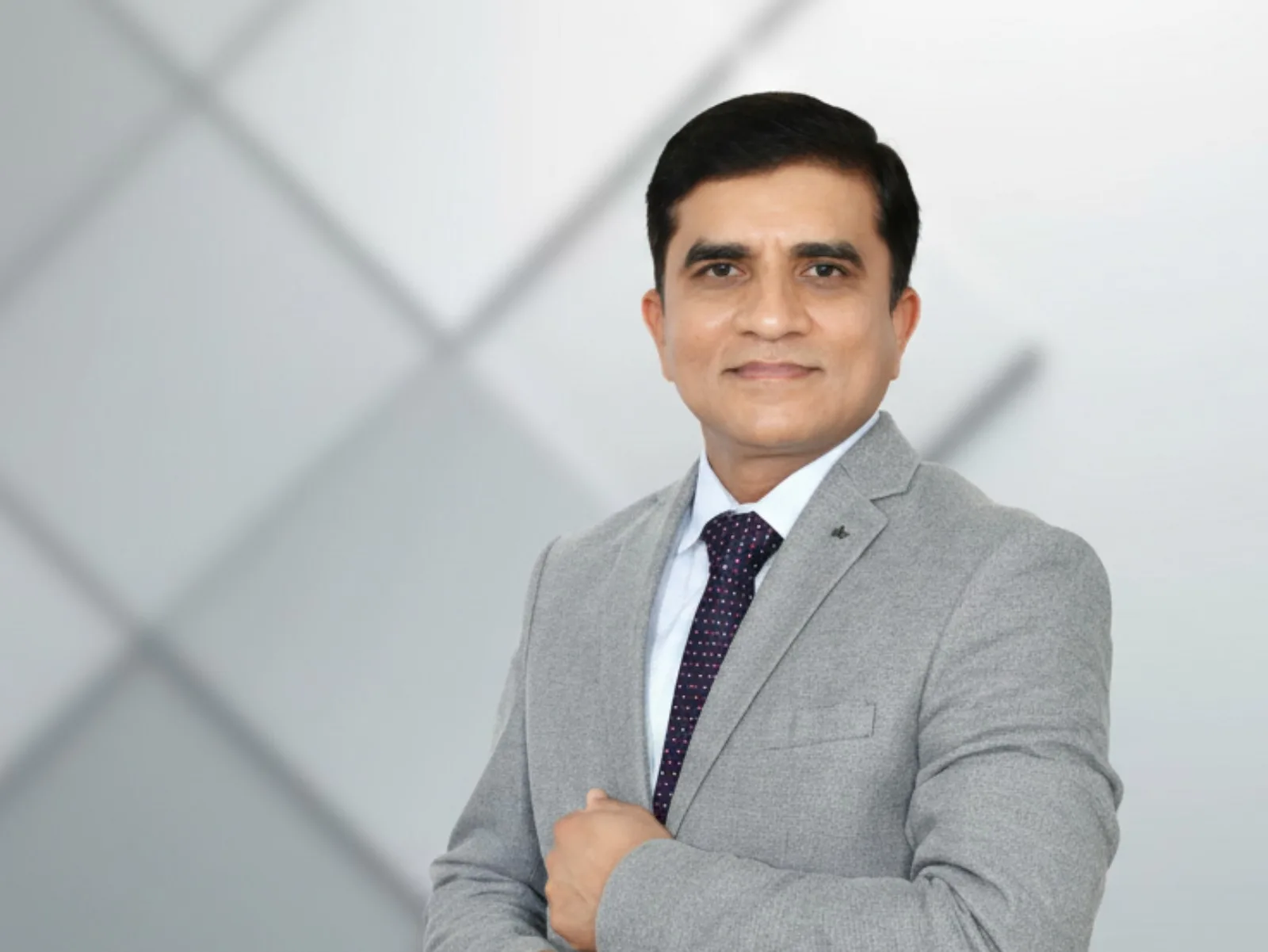
At 5:30 every morning, while most cities are still negotiating with their alarm clocks, Neeraj Lal is already outside—walking as the sun rises.
No phone. No notifications. Just a quiet moment where the day hasn’t yet made its demands.
It’s an unusual habit for a man responsible for thousands of hospital beds, complex healthcare systems, and decisions that ripple through lives he may never meet. But that’s the point. Long before boardrooms and balance sheets enter the picture, his day begins with discipline, stillness, and a reminder that health—real health—starts with how you choose to show up.
This is not the story of a leader who arrived fully formed. It’s the story of someone who climbed every rung, listened when it was uncomfortable, and stayed human in a system that often rewards distance. From starting out as a junior executive in a newly opened hospital to now overseeing large healthcare operations, Neeraj has seen the system from the inside out—its pressure, its fragility, and its quiet miracles.
What shaped him wasn’t just experience. It was a postcard from his father that disrupted a comfortable career. Conversations held without agendas. An unshakeable belief that leadership is less about being unreachable—and more about being present.
In an age obsessed with speed, scale, and metrics, his journey asks a quieter, more unsettling question: What if the most powerful leaders are the ones who never forget how to listen?
This is a story about mornings before the world wakes up. About people remembered long after numbers are forgotten. And about a version of success that doesn’t demand you lose yourself to earn it.
Let’s begin where his day always does—at sunrise.
From the Ground Floor Up
Before leadership became a title, it was a vantage point.
Neeraj Lal didn’t enter healthcare from a corner office. He entered it quietly—at the beginning—when systems were still forming and roles were still fluid. As a junior executive in a newly opened hospital in Delhi, he learned something most leaders never do: what it feels like to be unseen.
In those early days, there were no grand strategies to design. There was work to be done. Observing how departments functioned. Understanding why people hesitated to speak up. Watching how decisions made far away travelled down corridors and landed—sometimes gently, sometimes heavily—on the people doing the actual work.
Over time, his roles changed. Executive. Manager. Leader. Eventually, responsibility for thousands of beds across multiple hospitals, including his current role at Medicover Hospitals. But something subtle stayed constant: memory.
He remembered what it was like to sit on the other side of the table.
That memory shaped how he led. Instead of building distance, he shortened it. Instead of insulating himself, he stayed reachable. Doctors walked in without appointments. Housekeeping staff spoke to him one-to-one. Conversations didn’t begin with agendas; they began with people.
This wasn’t accidental. It came from having seen every layer of the system. From knowing that hospitals don’t run on policies alone—they run on trust. And trust doesn’t come from authority. It comes from familiarity.
When you’ve climbed rung by rung, you learn quickly that teams don’t follow titles. They follow how you make them feel when no one is watching.
That understanding would later influence everything—from how he built teams to how hospitals grew in visibility and outcomes. But at this stage, none of that was obvious yet.
Because the most defining turn in his journey didn’t come from a promotion.
It arrived quietly. In the mail. On a postcard.
The Postcard That Changed the Trajectory
He was comfortable. And that, in hindsight, was the problem.
Fresh out of his undergraduate degree, Neeraj Lal had landed what many would have called a dream start—working at one of Delhi’s earliest corporate hospitals, Apollo Hospitals. The role was steady. The future looked predictable. For most people, this would have been the moment to settle in.
Then a postcard arrived.
Not an email. Not a phone call. A postcard—written by his father.
The message was simple, almost inconvenient in its timing: Leave the job. Apply for a postgraduate course. Study further.
Neeraj didn’t receive it with gratitude. He received it with resistance.
Why walk away from momentum? Why trade real-world experience for classrooms? Corporate healthcare was just taking off. Everyone around him saw growth. Stability. Prestige.
But his father saw something else.
He warned him of a quiet risk—one that doesn’t show up immediately. A time would come, he said, when experience alone wouldn’t be enough. When the world would ask not just what you’ve done, but how prepared you are to grow further.
It wasn’t advice meant to be comforting. It was meant to be useful.
So Neeraj did the harder thing. He left the job. Applied for postgraduate studies in hospital administration. Returned to being a student when he could have stayed an employee.
Years later, standing in front of parents and students at a university seminar, the irony would land softly. He was being introduced as someone who had started with a general science degree—and now led hospitals. A living example that careers don’t always move in straight lines. That stepping back can sometimes be the fastest way forward.
In that moment, his father’s voice echoed clearly—not as instruction, but as legacy.
Keep learning. Stay updated. Never confuse comfort with growth.
That decision didn’t just add a qualification to his résumé. It added patience. And humility.
Both would be tested in the years to come—especially when leadership began to demand something many aren’t prepared to give: access.
The Leadership Choice Most People Don’t Make
Power usually builds walls.
Appointments. Protocols. Layers of access designed to protect time—and status. In many organisations, distance is mistaken for authority.
Neeraj Lal chose the opposite.
His office door stayed open. Doctors walked in without calendars clearing space for them. Colleagues didn’t need to justify why they wanted five minutes. Sometimes, there wasn’t even a reason.
To the outside world, this might have looked inefficient. To his executive assistant, it sometimes felt too open. But Neeraj understood something that can’t be taught in management books: healthcare doesn’t run on efficiency alone. It runs on trust.
When people are rushed, they become formal. When they’re formal, they filter. And when they filter, leaders hear only what’s safe—not what’s true.
By staying accessible, he heard things early. Small frustrations. Quiet breakthroughs. Stories that never made it into reports. During conversations that started casually, he learned about medical miracles happening daily—work that deserved recognition but rarely asked for it.
He also learned about people.
Where doctors lived. What they loved doing outside the hospital. Who had children preparing for exams. Who woke early to photograph birds before their shifts began. These details weren’t trivia. They were bridges.
When people feel seen beyond their designation, they bring their whole selves to work.
This approach shaped how teams formed around him. He didn’t fear capable people entering the system. He welcomed them. Leadership, in his view, wasn’t about control—it was about collective strength. Teams didn’t destabilise him. They amplified him.
Years later, long after roles changed and hospitals expanded, the evidence showed up quietly. People would call after five years of silence—not because they needed something transactional, but because trust had lingered.
And Neeraj would still answer.
Because to him, leadership wasn’t about who reported to you. It was about who remembered you.
But even this philosophy had an anchor. A place where hierarchy dissolved completely. A daily ritual that kept him grounded—long before meetings, metrics, or movement began.
It happened every morning. Before sunrise.
Why Health Is the First Leadership Decision
Neeraj Lal didn’t adopt discipline because it was fashionable. He adopted it because he had seen what happens without it.
Healthcare has a way of revealing uncomfortable truths. Over the years, he watched young professionals arrive in emergency rooms—not as doctors, but as patients. Heart attacks. Strokes. Sudden collapses. Lives interrupted far too early.
The irony was impossible to ignore. People managing health systems were failing their own.
That’s when he made a decision that would quietly shape his life: leadership begins with how you treat your body.
Every morning starts the same way. A sunrise. A walk. Light exercise. No elaborate diets. No dramatic fitness goals. Just a strict, repeatable routine. Not once in a while—every day.
To Neeraj, discipline mattered more than intensity. A gym membership used sporadically meant nothing. Consistency meant everything.
He believed that health wasn’t something you chased later in life. It was something you protected early—so that life could actually begin after fifty, not slow down. He observed that people who lived well into their seventies shared simple traits: plain food, structured days, genuine human connection.
This belief wasn’t abstract. It was inherited.
As a child, he watched his father walk every morning—through freezing winters and warm summers alike. Coconut oil massages on weekends. A rhythm that didn’t change with convenience. Those images stayed with him, quietly setting a standard.
Now, his own team knows this ritual well. If they want an unfiltered conversation, they don’t book a meeting—they join him on his morning walk. No phones. No interruptions. Just honesty, movement, and clarity.
That early hour became the only part of the day that belonged entirely to him. The rest would be claimed by responsibility.
By the time he returned home—around 7:30 a.m.—the world could begin making its demands.
But there was one call he made before any of that.
Every single day.
The Calls That Anchor a Life
Before the day accelerates. Before hospitals, hierarchies, and decisions with real consequences.
Neeraj Lal makes a phone call.
It isn’t long—ten minutes, sometimes less. But it never fails. He calls his parents every morning. Not because something is wrong. Not because something needs to be solved.
Simply because they’re there.
He understands something many discover too late: as life gets busier, parents get quieter. They hesitate to call. They don’t want to interrupt. They assume you’re travelling, working, occupied. So they wait. And in that waiting, their world slowly shrinks.
This call changes that dynamic.
It’s a one-way conversation. His parents talk. He listens. Stories flow—what happened that day, who visited, what they ate, what made them smile. He doesn’t rush them. He doesn’t multitask. He just stays present.
At the end of every call comes the same thing: a blessing.
To Neeraj, that blessing matters more than anything else he’ll hear all day.
He doesn’t see it as sentimentality. He sees it as grounding. A reminder of where he comes from. Of who he is before titles were added to his name. When he misses the call—because of travel or flights—his parents notice immediately. Not with complaint, but with concern.
That concern keeps him honest.
It’s why he encourages his own team to do the same. Not every day, he tells them, but often enough. Five minutes. Ten. Enough to remind the people who raised you that they still matter.
Because leadership, in his view, isn’t just about how you treat your colleagues. It’s about how you treat the people who have nothing left to gain from you—except your time.
That philosophy extends beyond family.
It shapes how he approaches friendships. Mentorship. Even the smallest interactions that most people dismiss as unnecessary.
He calls people without reason.
No requests. No favours. Just a check-in. And those calls do something remarkable: they build trust without conditions.
When connection isn’t transactional, it becomes lasting.
And in a world obsessed with outcomes, Neeraj has learned something quietly radical.
People won’t remember your numbers. They’ll remember how you made them feel.
That belief—more than any designation—defines the legacy he’s still writing.
What Remains When Titles Fade
There’s a moment every leader eventually faces—though few talk about it.
It arrives quietly, long after meetings end and corridors empty. When the numbers are filed away. When designations lose their shine. When the question isn’t what did you achieve? but what stayed because you were there?
Neeraj Lal has thought about this.
He knows no one will remember a particular month’s revenue or a line item on a balance sheet. Even the busiest years blur together. What remains are fragments of humanity: a conversation held without urgency, guidance offered when it wasn’t required, a call answered years after it could have been ignored.
People still reach out to him after long silences. Not because of the role he once held, but because of how he made them feel when he did. A mentor when they were unsure. A colleague when they felt invisible. A steady presence when things were uncertain.
That, to him, is leadership’s true residue.
His life reflects this belief in quiet, consistent ways. The discipline of mornings. The humility of continued learning. The openness that replaces fear with trust. The daily call home that reminds him who he is before the world names him anything else.
Even now, as Regional Director for the Maharashtra and Karnataka region at Medicover Hospitals, he carries himself not as someone who has arrived—but as someone still becoming.
Still walking. Still listening. Still learning.
The sun will rise again tomorrow. He’ll be there to meet it. And somewhere between that first light and the day’s final call, lives will be touched—not always loudly, but always meaningfully.
Because in the end, leadership isn’t measured by how high you climb.
It’s measured by how many people stand taller because you once walked beside them.
And that is the kind of legacy that doesn’t fade.
Author's note
Neeraj Lal’s story shows what real credibility looks like: choosing to step away from a secure early career when his father urged him to return to education, keeping his office door open when hierarchy would have made distance easier, and building a daily life anchored in discipline, presence, and listening rather than urgency. Each of these choices came with a cost — slower momentum, fewer shortcuts, and the constant demand of being available — but they reshaped how he moved through leadership. Instead of protecting status, he protected connection. Instead of managing from above, he stayed close enough to hear what others wouldn’t say out loud. What emerges is a life shaped less by approval or efficiency, and more by a steady commitment to what holds — people, health, and the quiet work of showing up consistently.
By Ugesh Sarcar